
English 
P: +86-13851913099
E: sunnyqing@vip.163.com
E: sunnyqing@vip.163.com
NO.2, BAOTA ROAD,CHUNXI TOWN, GAOCHUN DISTRICT , NANJING, CHINA
Views: 0 Author: Site Editor Publish Time: 2025-09-10 Origin: Site


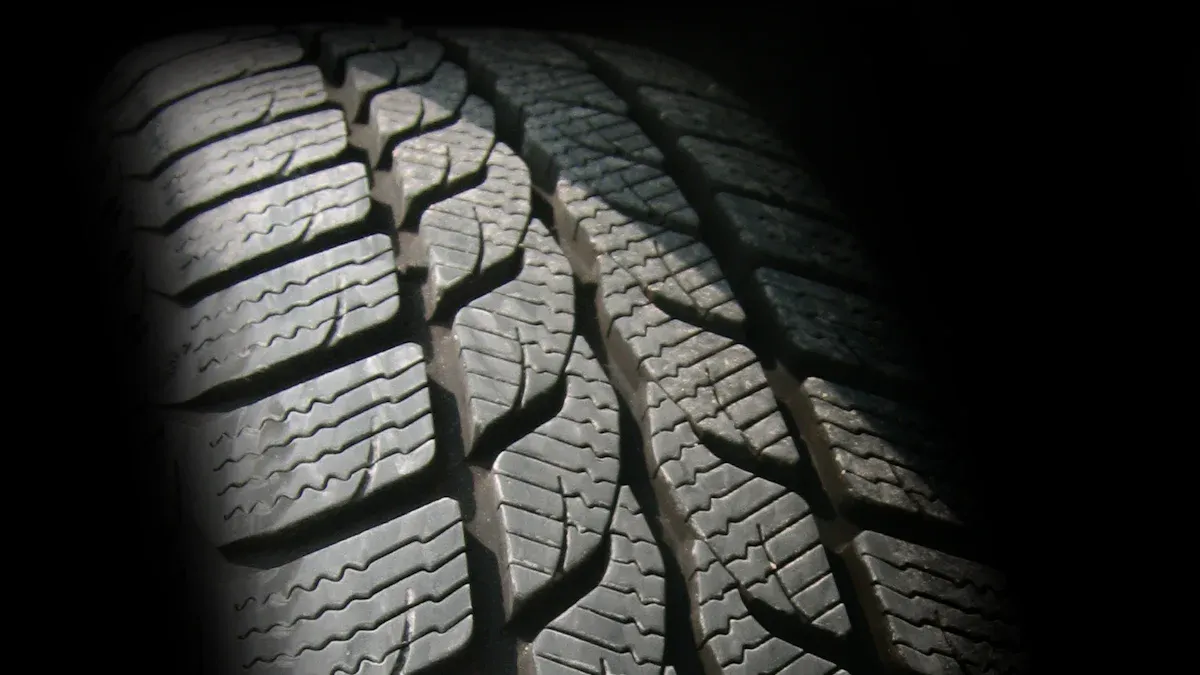
Imagine you drive over a pothole or in heavy rain. You want your tire to keep you safe and comfy. Vulcanized tires use vulcanization, which makes the rubber strong and stretchy. Charles Goodyear found this process and changed tires forever. You get a smoother ride, better grip, and longer tire life. Every time you drive, your tire’s quality is important.
Vulcanized tires give a smoother ride. They use strong, stretchy rubber. This rubber soaks up shocks from bumps and holes.
Vulcanization makes rubber tougher and stronger. This helps tires last longer. It also protects them from heat and pressure.
Picking vulcanized tires or repairs saves money over time. You will not need to replace or fix tires as often.
Vulcanized tires grip the road better in all kinds of weather. This helps keep you safe when you drive.
Check vulcanized tires often and get them fixed by experts. This keeps them safe and good for daily use.
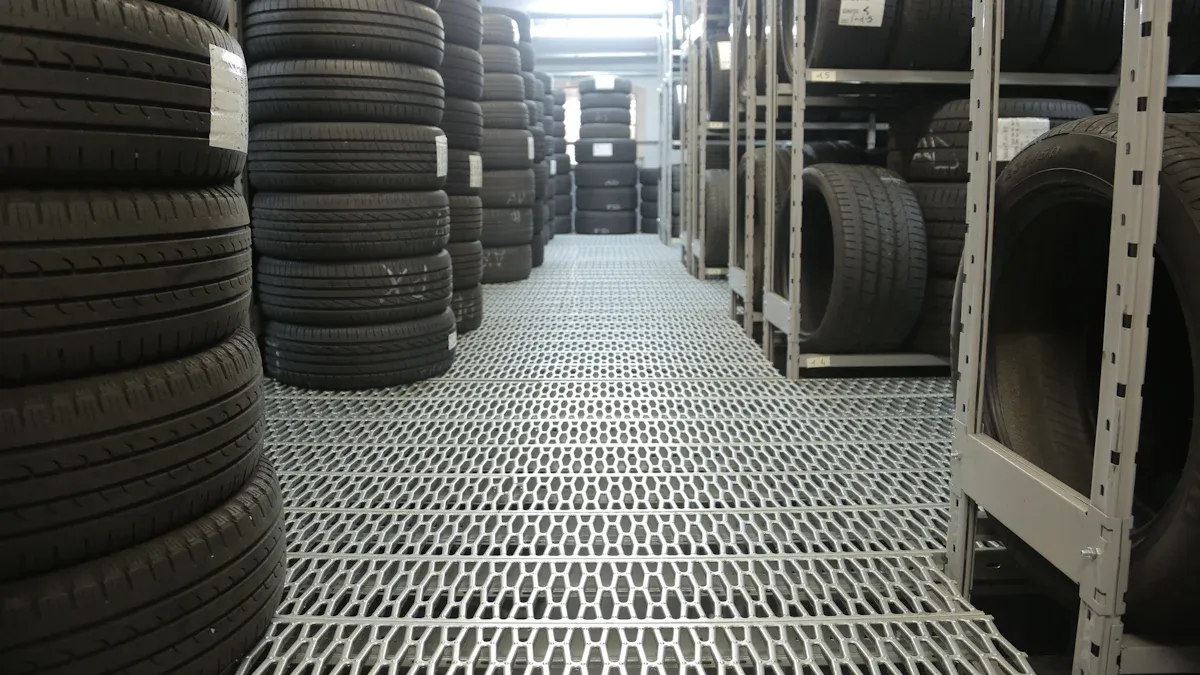
Have you ever wondered why your tire feels so strong? Vulcanized rubber is the reason for this. Vulcanization changes natural rubber to make it better for tires. Manufacturers heat natural rubber with sulfur. This creates cross-links in the rubber’s polymer chains. These cross-links help the rubber become stronger and more stretchy. The rubber also lasts much longer.
Adding sulfur and other chemicals changes how rubber molecules are arranged.
The process swaps C-H bonds for sulfur chains, making the rubber tougher.
Vulcanization helps rubber resist damage from bumps, heat, and pressure.
Multi-step vulcanization lets manufacturers adjust rubber for different tires.
Note: Vulcanized rubber fixes the problems of raw rubber. Raw rubber is soft and breaks easily. Vulcanized rubber makes tires last longer and work better.
Let’s look at how vulcanized rubber and raw rubber compare in tires:
| Property | Vulcanized Rubber | Non-Vulcanized Rubber (Raw Rubber) |
|---|---|---|
| Strength | Stronger and tougher | Softer and not as tough |
| Elasticity | Very stretchy | More bendy |
| Heat Resistance | Handles heat very well | Does not handle heat well |
| Durability | Lasts a long time, great for tires | Wears out fast, not good for tires |
Tires have an interesting history. Charles Goodyear started working with rubber in 1834. He was curious about rubber at the Roxbury India Rubber Company. He had many problems, like losing money and doing experiments at home and in jail. In 1839, Goodyear found that heating rubber with sulfur made it strong and stable. He got a patent for vulcanization in 1844.
Vulcanized rubber changed tires forever. Tires became stronger, stretchier, and tougher. Inflatable tires were invented, making rides smoother and cars better. John Boyd Dunlop made the first useful pneumatic tire in 1888. This helped cars and bikes work better. Tire technology kept getting better with steel-belted radial tires and smart tires with sensors.
Today, vulcanized rubber is used in many new ways. Car companies use eco-friendly tires that save fuel. Electric cars need special rubber parts, so vulcanized rubber is even more important now.
Tip: If you pick a tire made with vulcanized rubber, you get a safer, smoother, and more comfortable ride every time.
Vulcanized tires are made to last a long time. They can handle rough roads and heavy things. Vulcanization makes strong links between rubber molecules. These links make the rubber much tougher than regular rubber.
You can see how strong vulcanized rubber is in lab tests. The table below shows how experts check these qualities:
| Testing Method | Description |
|---|---|
| Tensile properties | Measures how much the rubber can stretch before it breaks. |
| Hardness | Shows how well the rubber stands up to outside forces. |
| Compression performance | Tests how well rubber holds its shape when squeezed. |
| Aging Testing | Checks how rubber lasts over time and in different places. |
Vulcanized rubber does very well in these tests. It can stretch more and take more force before breaking. The secret is the cross-links in the rubber. Tire makers watch the number of cross-links closely. If they get it right, your tire will be strong and safe. If not, the tire may not last as long.
Vulcanized rubber is much stronger than untreated rubber.
The way the rubber is made and the fillers used matter for strength.
The right amount of cross-linking is needed for the best result.
Tire makers avoid mistakes like under-curing to keep rubber tough.
Vulcanized tires can handle pressure and stress. They do not crack or lose shape easily, even after many miles. Tire makers check each tire after vulcanization. Inspectors look for bubbles, cracks, or other problems. Machines test the tire’s balance and shape. These steps help make sure your tire is safe for the road.
Tip: Strong tires mean fewer blowouts and less worry about flats. You get more miles and better value from your tires.
Vulcanized rubber also makes your tire bend and stretch. This helps your tire take in shocks and bumps from the road. When you drive over rocks or potholes, your tire bends instead of breaking.
The table below shows how vulcanized rubber helps with elasticity and flexibility:
| Aspect | Description |
|---|---|
| Elasticity | Cross-links help the tire keep its shape after stretching. |
| Flexibility | Vulcanized rubber stays bendy in hot or cold weather. |
| Mechanical Strength | The network inside the rubber makes it tough and long-lasting. |
You feel these benefits every time you drive. The tire bounces back after hitting a bump. The cross-links let the rubber stretch and recover fast. This means your tire can take hits without losing its shape.
Vulcanization makes rubber more elastic, which helps absorb shocks.
The cross-links let the rubber stretch and snap back.
This gives you a smoother ride and better control.
Vulcanized rubber always goes back to its shape after being pressed.
This flexibility is good for all kinds of tires.
You get better handling and comfort, even on rough roads.
Note: Flexible vulcanized tires help protect your wheels and car. You get a smoother ride and less wear on your vehicle.
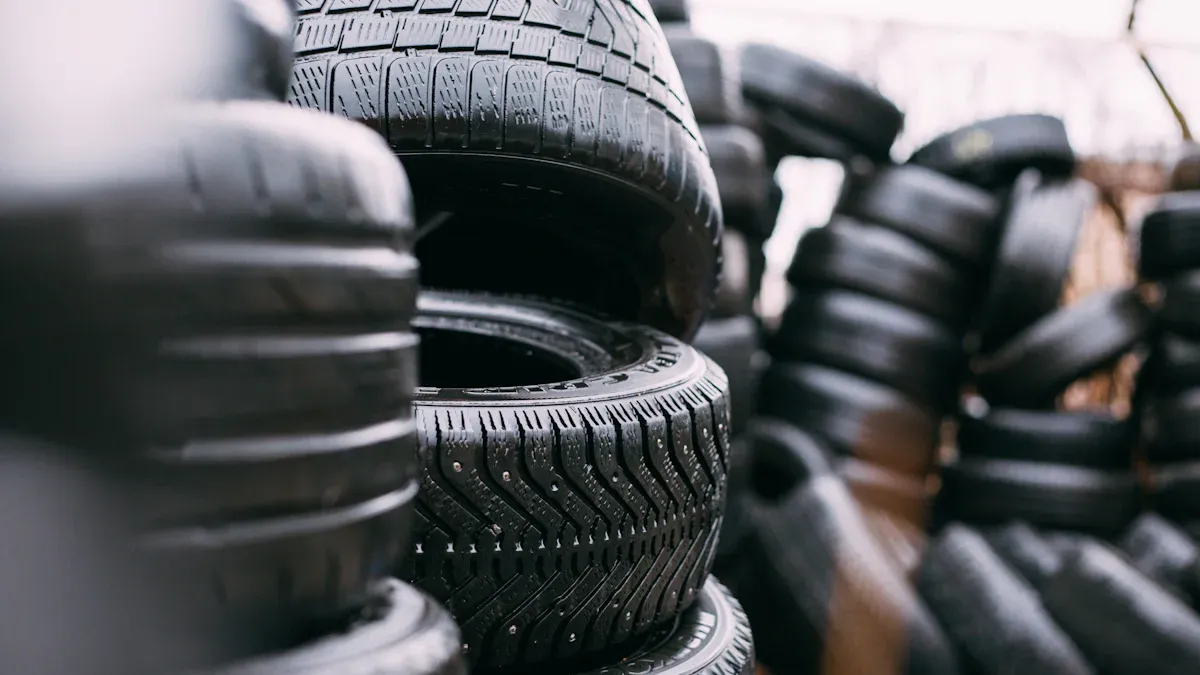
When you bring a damaged tire to a service center, trained professionals follow a careful process to make sure your tire is safe and strong again. First, they inspect the tire from the outside. They use water or a soap solution to find the leak. Next, they remove the tire from the rim and check the inside for hidden damage. This step is important because you cannot always see every problem from the outside.
Here is a table that shows the standard steps for repairing vulcanized rubber tires:
| Step | Description |
|---|---|
| 1 | Inspect the tire with water or soap to find leaks. |
| 2 | Remove the tire and check the inside for damage. |
| 3 | Clean and prepare the damaged area. |
| 4 | Remove all loose material from the injury. |
| 5 | Fill the injury with vulcanizing material or a rubber stem. |
| 6 | Apply a patch that matches the size and type of damage. |
| 7 | Check that the patch sticks well and the plug fills the hole. |
| 8 | Inflate the tire to the correct pressure. |
Professionals use heat and pressure to bond the patch to the tire. This process cures the rubber patch and creates a seamless bond. The new patch blends with the existing vulcanized rubber, restoring the tire’s strength and flexibility. You get a repair that can handle daily driving and even tough jobs like fixing a damaged farm tire. Always make sure a trained expert repairs your tire using the right tools.
Tip: Proper tire inflation after repair keeps your tire safe and helps it last longer.
Vulcanized tire repairs can last a long time if done right. A good plug and patch repair often lasts between 7 to 10 years under normal driving. The quality of the repair, how you drive, and how you care for your tires all affect how long the repair will hold.
You lower your risk of accidents when you choose vulcanized rubber repairs. Tire failures cause over 600 deaths and more than 19,000 injuries each year in the U.S. Using the right types of vulcanized repairs, like patches with strong adhesion, helps prevent air leaks and blowouts. This is very important for commercial trucks and tractors, where a damaged tire can cause big problems.
Vulcanized rubber repairs restore the tire’s structure and hardness.
The heat and pressure process forms new cross-links in the rubber, making the repair strong.
Experts say these repairs last longer and work better than simple plugs.
If you use your vehicle for heavy work, such as farming or hauling, you need repairs that keep your tires tough. A well-repaired tire can handle rough roads and heavy loads. You get peace of mind knowing your tire is safe and reliable.
Note: Always check your tires for damage and get them repaired by professionals. This keeps you, your passengers, and your vehicle safe.
You want every drive to feel comfortable, even when the road gets rough. Vulcanized tires help you glide over bumps and potholes. The special design of bias-ply tires lets the whole tire body flex. This flexibility means your tire can handle uneven ground and keep your ride smooth.
The tire body flexes as a whole, so you feel fewer jolts.
The tire can throw off mud and clay, which helps on rocky or dirty roads.
Bias-ply tires use cords that run diagonally from bead to bead. This design resists sidewall damage and lets the tire move with the road. Vulcanized rubber adds even more stretch and strength. You get a tire that bends but does not break.
Tip: A flexible tire gives you better traction and keeps your ride steady, even on rough surfaces.
You need a tire you can trust in any weather. Vulcanized tires stand up to heat, cold, rain, and snow. Vulcanized rubber makes the tire strong and elastic. This helps the tire last longer and work well in all seasons.
Vulcanized tires handle big temperature changes without cracking.
The rubber resists wear, so your tire stays safe for more miles.
You get better grip and control, even when the road is wet or icy.
If you ever get a damaged tire, you want a repair that lasts. Vulcanized rubber repairs keep your tire strong and safe. You can drive with confidence, knowing your tire will not let you down.
Choosing the right tire saves you money over time. Vulcanized tires last longer because they resist wear and damage. You do not need to replace your tire as often. If you get a damaged tire, a proper repair with vulcanized rubber can add years to its life.
Here is why experts recommend vulcanized tires for daily use:
| Reason for Recommendation | Description |
|---|---|
| Durability | Vulcanized rubber makes the tire tough, so it can handle daily wear and tear. |
| Elasticity | The tire stays comfortable and performs well, even after many miles. |
| Heat Resistance | The tire works safely, even in hot weather or after long drives. |
You spend less on new tires and repairs. You also avoid the cost and trouble of sudden flats or blowouts. Vulcanized tires give you value and peace of mind every day.
You count on your tire for strength and safety every day. Vulcanization makes the tire tougher and more stretchy. This helps your tire last longer and fight heat, water, and chemicals. When you drive, your tire takes in bumps and keeps you steady. It works well even on rough roads. Repairs with vulcanized rubber fix your tire’s shape and strength. This helps you feel safe. Picking a vulcanized tire or repair means smoother rides and saving money. Your tire helps you drive safely in every season.
Vulcanized rubber has strong links between its molecules. You get a tire that lasts longer and handles rough roads. This process helps your tire stay tough and flexible.
You can repair a vulcanized tire with special patches and plugs. Experts use heat and pressure to bond new rubber to the damaged area. This method restores strength and safety.
Vulcanized tires resist cracking and wear. You get better grip on wet or dry roads. This means you stay safer when driving in different weather conditions.
You spend less on replacements because vulcanized tires last longer. Repairs also add years to your tire’s life. You avoid sudden flats and costly breakdowns.
