
English 
P: +86-13851913099
E: sunnyqing@vip.163.com
E: sunnyqing@vip.163.com
NO.2, BAOTA ROAD,CHUNXI TOWN, GAOCHUN DISTRICT , NANJING, CHINA
Views: 0 Author: Site Editor Publish Time: 2025-09-10 Origin: Site


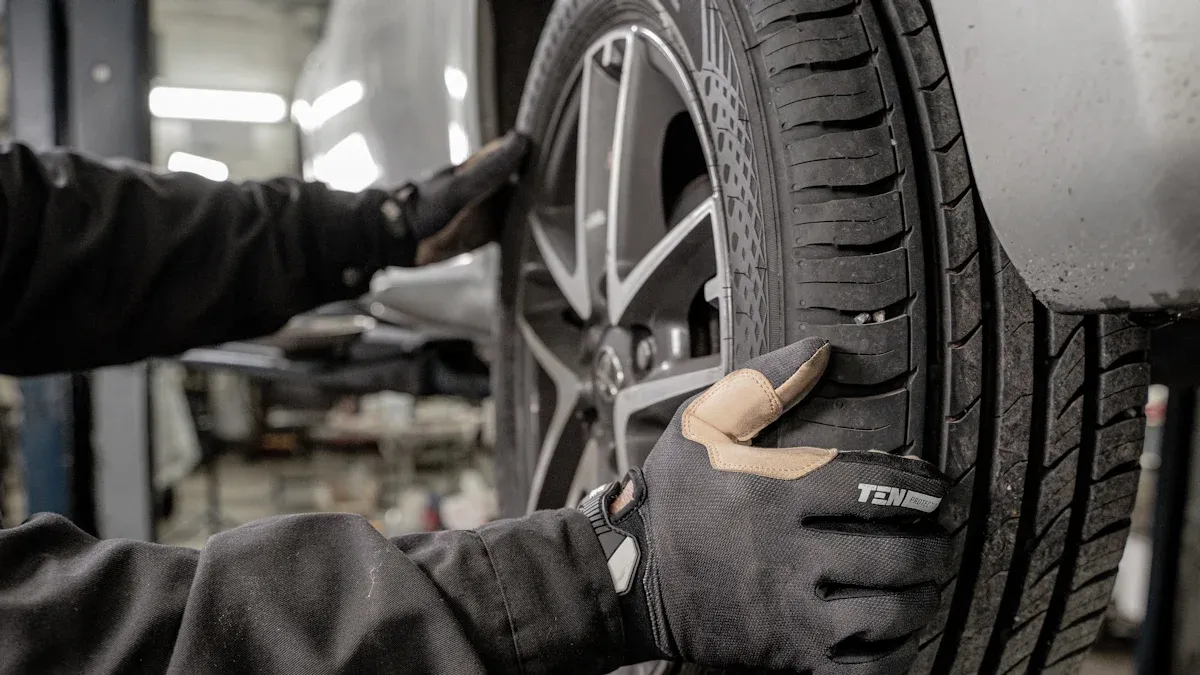
If you are curious about vulcanized tire safety, you should know that fixing them the right way is very important. You should vulcanize a tire only if the hole is small. The damage should not touch the sidewall. Tires can fail for many reasons. Some reasons are bad bonding, belts that are not straight, and things getting stuck during vulcanization.
| Defect Type | What Can Go Wrong |
|---|---|
| Belt alignment issues | Tires get uneven pressure |
| Tread deformation | Tire shape can change |
| Open tread connection | Tires can have big problems |
You will learn how to pick between vulcanizing a tire or getting a new one. This helps you keep your tires safe.
Only vulcanize tires if the damage is small and on the tread. Do not fix sidewalls or big holes.
Pick the right vulcanizing method for the tire's damage. Hot vulcanizing is good for big repairs. Cold vulcanizing is better for small fixes.
Check your tires often for wear, damage, and air pressure. This can stop accidents and help tires last longer.
Vulcanized tires can save money and cut down on waste. But they usually last just one or two years. New tires are safer and work better.
Always ask a tire expert if you are not sure about a repair. Your safety is most important when taking care of tires.
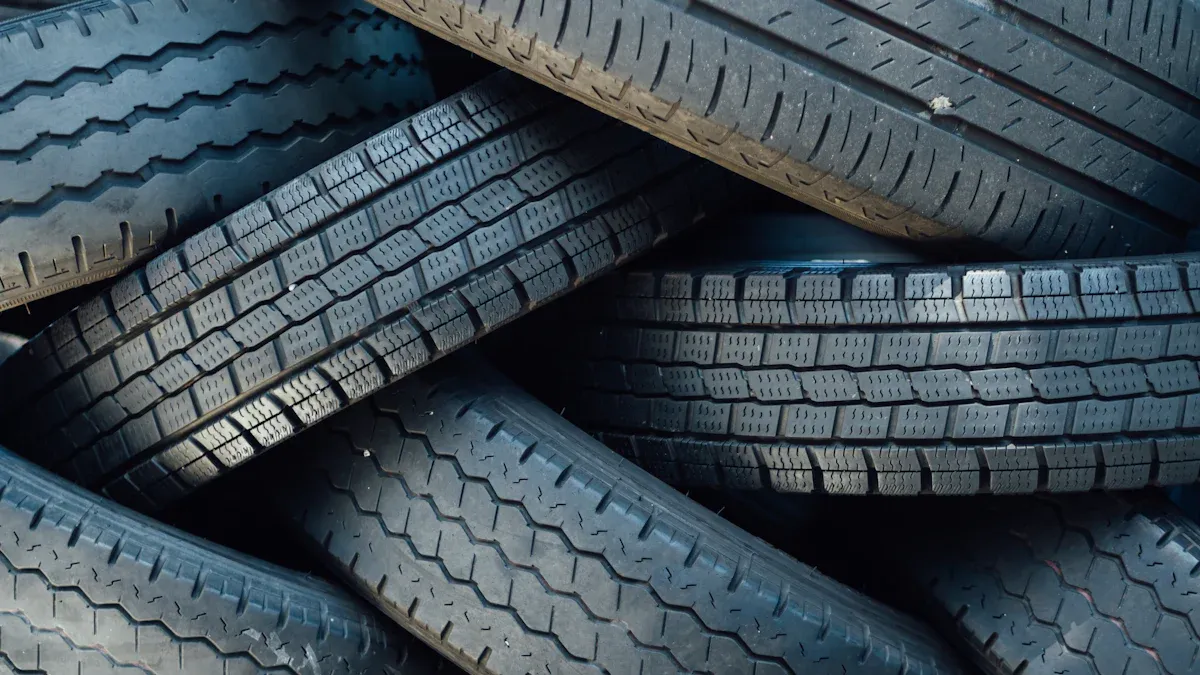
You might ask how vulcanized tires are not like regular tires. Vulcanized tires go through a special process called tire vulcanizing. This process makes the rubber stronger and helps it last longer. Tire vulcanizing helps the rubber stand up to heat, pressure, and sharp things on the road.
When a tire is vulcanized, the rubber gets cross-links between its polymer chains. These cross-links make the rubber stretchier and tougher. The tire can handle bumps and rough roads better. The process also makes the tire stronger and helps it keep its shape.
Here are some chemical changes that happen during tire vulcanizing:
Cross-links form between the rubber’s polymer chains, making the tire stretchier.
The rubber’s C-H bonds get replaced by sulfur chains, which helps the tire resist heat.
The rubber shrinks a little but stays in shape and gets harder.
So, vulcanized tires can give your vehicle better performance and safety.
Tire vulcanizing uses heat, pressure, or chemicals to fix and bond rubber. There are different ways to vulcanize tires, and each way has its own use. Hot vulcanizing uses heat and pressure to bond rubber parts. Cold vulcanizing uses a chemical glue, which works well for small fixes you can do yourself.
The main steps in the tire vulcanizing process follow industry rules:
| Step | Description |
|---|---|
| 1 | Put the green tire in a mold and pump air in to press the parts together and give the tire its final shape. |
| 2 | Heat the mold to a high temperature. This makes the rubber vulcanize and become strong and stretchy. |
| 3 | Let the curing finish. This can take 10 to 30 minutes, depending on the tire’s size and type. |
You can use spot repair for small damage or section repair for bigger problems. Stripping adds a thin layer of rubber to seal the inside of the tire. Tire vulcanizing helps you fix tires and keep them safe for a longer time.
Tip: Always pick the right tire vulcanizing method for your tire’s damage. This helps you get the best results and keeps you safe on the road.
You need to follow strict rules when you vulcanize a tire. Not every flat tire can be fixed this way. The size and location of the damage matter most. If you see a small puncture in the tread area, you can often vulcanize a tire safely. Most tire experts agree that you should only repair a puncture if it is no bigger than 1/4 inch (6mm) in diameter for passenger and light truck tires. For steel belted truck tires, the limit is 3/8 inch. Anything bigger increases safety risk.
Only vulcanize a tire if the puncture is in the tread, not the sidewall.
Never try to vulcanize a tire with a hole larger than 1/4 inch for passenger vehicles.
Always check that the damage does not reach the sidewall or shoulder.
If you vulcanize a tire the right way, you restore its strength. This process helps the tire last longer and keeps you safe on the road. You should always ask, "Can vulcanization fix all tire punctures?" The answer is no. Some flat tire problems are too big or in the wrong place to repair. When you follow the safety criteria, vulcanized tires can serve you well.
Note: If you see a flat tire with a cut or hole near the sidewall, do not try to vulcanize a tire. This area flexes a lot and cannot hold a repair.
If you do not vulcanize a tire the right way, you put yourself at risk. Improper repairs can lead to sudden tire failure. This failure can happen at high speeds and cause accidents. When you try to fix a flat tire with a large puncture or sidewall damage, you increase safety risk.
Here are some dangers of poor vulcanizing:
| Risk | What Happens |
|---|---|
| Weak repair bond | The patch can come loose |
| Air leaks | The tire loses pressure quickly |
| Tread separation | The tread can peel away from the tire |
| Blowouts | The tire can burst while driving |
You should never vulcanize a tire with severe damage or thin tread. If you see cords or the inside of the tire, replacement is the only safe choice. Vulcanized tires work best when you follow all repair rules. If you ignore these, you risk a flat tire again or even a blowout. Always use a trusted shop for vulcanizing. A good repair restores the tire’s strength and helps you avoid future problems.
Tip: If you feel unsure about a repair, ask a tire expert. Your safety comes first.
When you look at the pros and cons of vulcanizing, you will see that vulcanized tires offer several clear benefits. Many drivers choose them because they help save money and protect the environment. Here are some reasons why you might pick vulcanized tires:
You spend less money because you reuse a repaired tire instead of buying a new one. This lowers your overall tire costs.
You help the planet by reducing tire waste. Fewer old tires end up in landfills when you choose vulcanized tires.
You can lower the environmental impact of driving. Some vulcanized tires have less rolling resistance, which means your car uses less fuel and creates less pollution.
If you want to make a smart choice for your wallet and the environment, vulcanized tires can be a good option.
You should also know the drawbacks before you decide to use vulcanized tires. These tires do not last as long as new ones. Most vulcanized tires only last one to two years because they come from old tires with thin grooves. If you do not keep the right air pressure, the tire can burst more easily. The tread is thinner, so it can get punctured or torn.
Manual installation can cause the tread to become unbalanced. This makes your car harder to control. Retread tires may not grip the road as well, especially on wet or slippery surfaces. If the glue or stitches fail, your car could skid.
Research shows that vulcanized tires made from certain rubber types, like styrene-butadiene rubber, can wear out faster in extreme weather. Heat and rain cause the rubber to expand and contract. This creates tiny cracks, which make the tire weaker than a new one.
Tip: Always check your tires for signs of damage, especially after driving in bad weather. Replace them if you see cracks or worn treads.
You want your tires to keep you safe on the road. Vulcanized tires can work well if you follow repair rules and use them for light driving. New tires offer the highest level of safety because they have fresh tread and strong rubber. Vulcanizing helps restore some strength, but it cannot match the durability of a brand-new tire.
When you compare traction and braking distance, you see clear differences:
Traction: New tires grip the road better, especially in rain or snow. Vulcanized tires may lose some grip because the tread is thinner.
Braking Distance: New tires stop your car faster. Vulcanized tires need a longer distance to stop, especially if the repair area is large.
You should check your tires often. Look for cracks, worn tread, or air leaks. If you drive in tough weather or on rough roads, new tires give you more protection. Vulcanized tires work best for short trips and slower speeds.
You might choose vulcanized tires to save money. Vulcanizing costs less than buying new tires. Many drivers pick this option when they want to reuse a tire and avoid waste. You help the environment by keeping old tires out of landfills.
New tires cost more, but they last longer and perform better. You get better fuel efficiency and smoother rides. Vulcanized tires may not handle sharp turns or sudden stops as well. If you care about top performance, new tires are the best choice.
You should think about your driving needs. If you drive long distances or carry heavy loads, new tires are safer. Vulcanized tires suit drivers who want a budget-friendly option for city driving.
You should never try to repair a tire with a damaged sidewall. The sidewall flexes every time you drive. This movement makes it hard for any patch or plug to stay in place. If you see a deep cut, bulge, or tear on the sidewall, replacement is the only safe choice. Vulcanizing cannot restore the strength of a sidewall. Driving on a tire with sidewall damage can lead to sudden blowouts.
Thin tread also puts you at risk. Tires with worn-out tread cannot grip the road well. If the tread depth is too low, water cannot escape from under the tire. This can cause your car to slide, especially in rain. For passenger vehicles, the minimum safe tread depth is 2/32 inch. Commercial trucks need at least 4/32 inch on front tires.
| Vehicle Type | Minimum Tread Depth |
|---|---|
| Passenger Vehicles | 2/32" |
| Commercial Vehicles | 4/32" (front tires) |
If your tire does not meet these limits, do not vulcanize it. Choose a new tire for your safety.
You must follow strict rules when deciding if a tire can be repaired. The automotive industry sets clear limits for safe repairs. Only punctures in the tread area qualify for vulcanized repairs. The hole must not be larger than 1/4 inch. Any damage near the shoulder or sidewall means you need a new tire.
| Criteria | Limit |
|---|---|
| Maximum size for repairable puncture | 1/4 inch deep |
| Placement for patch bonds and plugs | Tread area only, 1 inch from prior repairs, 2 inches from sidewalls |
| Repair method | Must include patch and plug |
You should always remove the tire from the wheel and check for hidden damage inside. Never repair a tire with more than one puncture close together. Under-inflation causes half of all tire-related accidents. Always keep your tires at the right pressure. Vulcanized tires with low air or thin tread are much more likely to fail.
Tip: If you feel unsure about a repair, ask a tire expert. Your safety comes first.
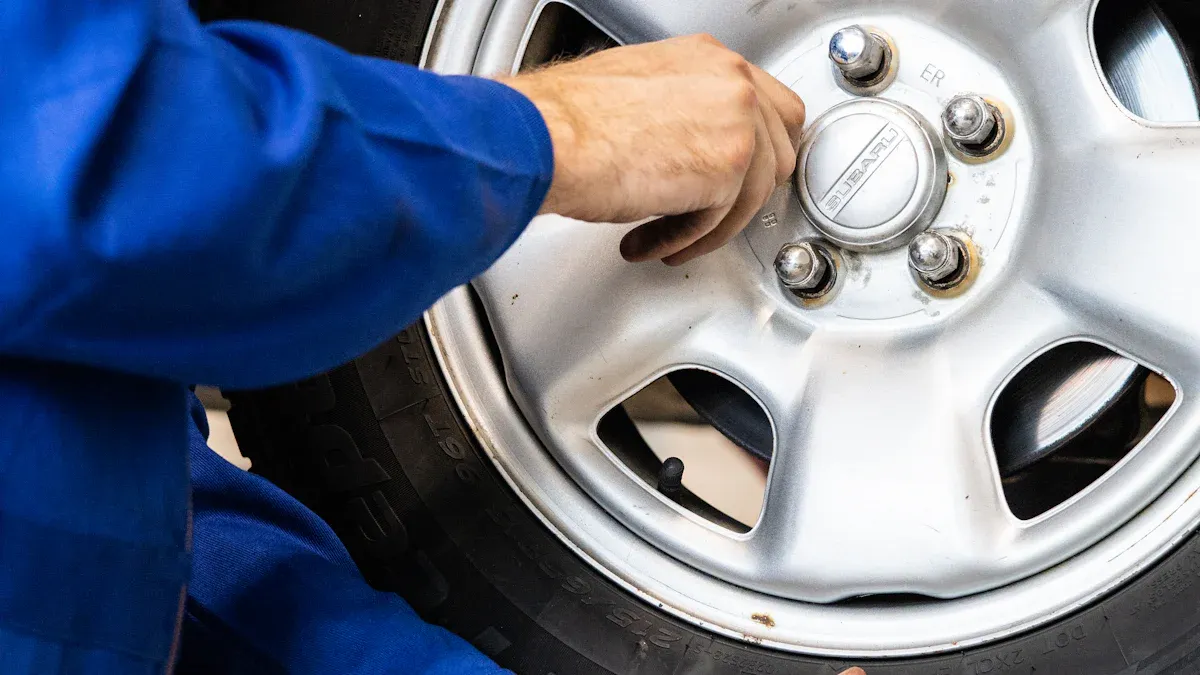
You should pick a shop with skilled workers. These workers must know how to fix tires safely. Look for shops where workers have special training certificates. Trained workers use the right tools and safe repair steps. The shop should use strong plugs, patches, and vulcanizing presses. Good machines like curing ovens and air compressors help repairs last longer. Ask if the shop gives a warranty for their work. A 12-month warranty means they believe in their repairs. Fast help is important, so choose a shop that helps you quickly.
| Criteria | Description |
|---|---|
| Technician Certifications | Certified in TIA protocols and manufacturer standards |
| Repair Methods | Uses high-grade plugs, patches, and vulcanizing presses |
| Equipment Quality | Has quality compressors, demount machines, and curing ovens |
| Warranties | Offers at least 12-month warranties on repairs |
| Service Responsiveness | Responds quickly to service requests |
Check your tires often to find problems early. Look at the tread for signs of damage or wear. Watch for cracks, bulges, or things stuck in the rubber. Check the tire pressure every month and before trips. Use a gauge to see if the pressure matches your car’s sticker. Measure the tread depth to make sure your tires grip the road. Rotate your tires every 5,000 miles or with each oil change. Checking your tires often helps you find problems before they get bad.
Tip: If you check and care for patched tires, they can last as long as normal tires.
You can make your vulcanized tires last longer with easy steps. Keep your tires filled to the right pressure. Tires with low air wear out faster and waste gas. Rotate your tires every 5,000 to 7,500 miles so they wear evenly. Check for damage and tread depth often. Make sure your wheels are lined up and balanced. For extra help, ask your shop about care packages. These steps help you drive safely and avoid sudden tire problems.
You need to look for small holes in the tread before repair. Do not fix tires with big holes or sidewall damage. Use these steps to stay safe:
Fix holes smaller than 0.25 inches wide.
Check that damage does not touch old patches.
Have a trained technician look at your tires.
Rotate and check your tires often for wear or low air.
Checking your tires and getting good repairs keeps you safe every time you drive.
You should avoid driving at high speeds on a vulcanized tire. The repair may not handle the extra heat and pressure. Always follow the speed limits and check your tire often for safety.
Vulcanized tires usually last one to two years. The exact time depends on how you drive and care for them. Check your tires often for signs of wear or damage.
You should not repair the same spot on a tire more than once. Too many repairs can weaken the rubber. Always ask a professional if your tire is safe to use.
If you see a bulge, stop using the tires right away. A bulge means the tire is weak and could burst. Replace it as soon as possible to stay safe.
