
English 
P: +86-13851913099
E: sunnyqing@vip.163.com
E: sunnyqing@vip.163.com
NO.2, BAOTA ROAD,CHUNXI TOWN, GAOCHUN DISTRICT , NANJING, CHINA
Views: 0 Author: Site Editor Publish Time: 2025-09-11 Origin: Site


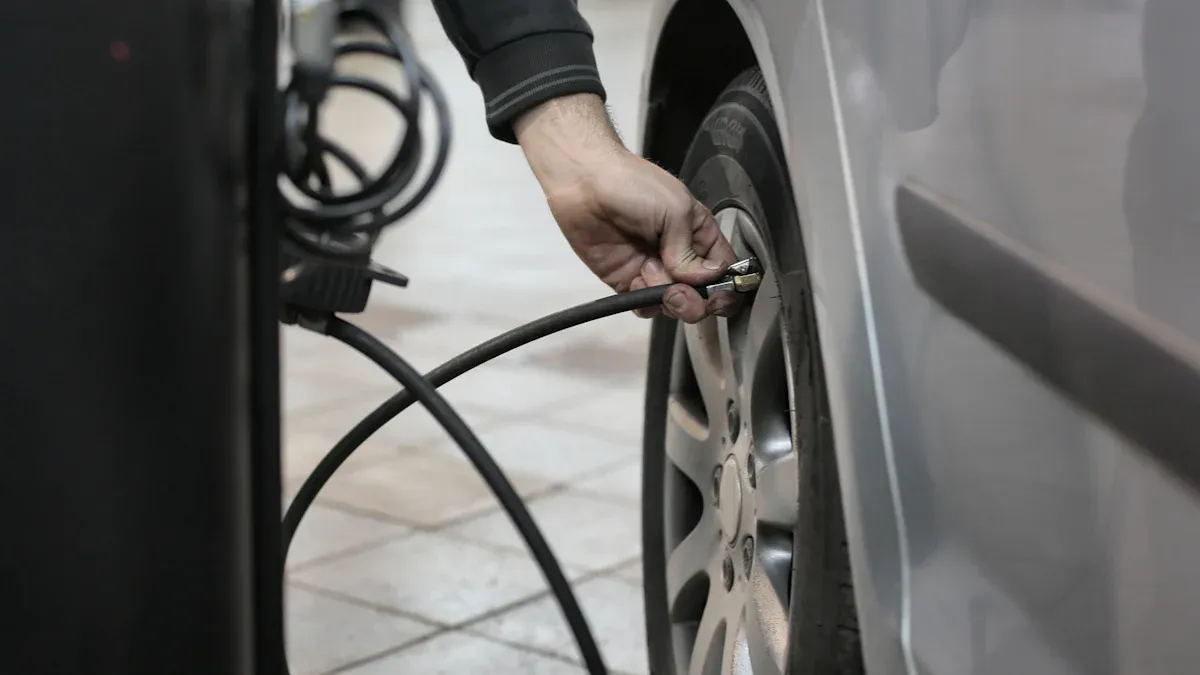
You know how annoying a flat tire is. You might wonder why some fixes last longer. When shops use a vulcanizer, they use special technology. It controls heat and pressure very carefully. This gives you a stronger and better fix for your tire. New vulcanization methods help mechanics work faster. Repairs are more successful now. You spend less time worrying. You get to drive more.
Vulcanizer repairs use heat and pressure. This makes strong fixes for tire damage.
Check your tire pressure often. This helps you find slow leaks early. It stops bigger problems from happening.
Use hot vulcanization for big cuts. Use cold vulcanization for small holes. This gives the best repair.
Pick a good repair shop by reading reviews. Ask people for recommendations. This helps you get good service.
After a repair, take care of your tires. Look at them every week. Keep them filled with air.
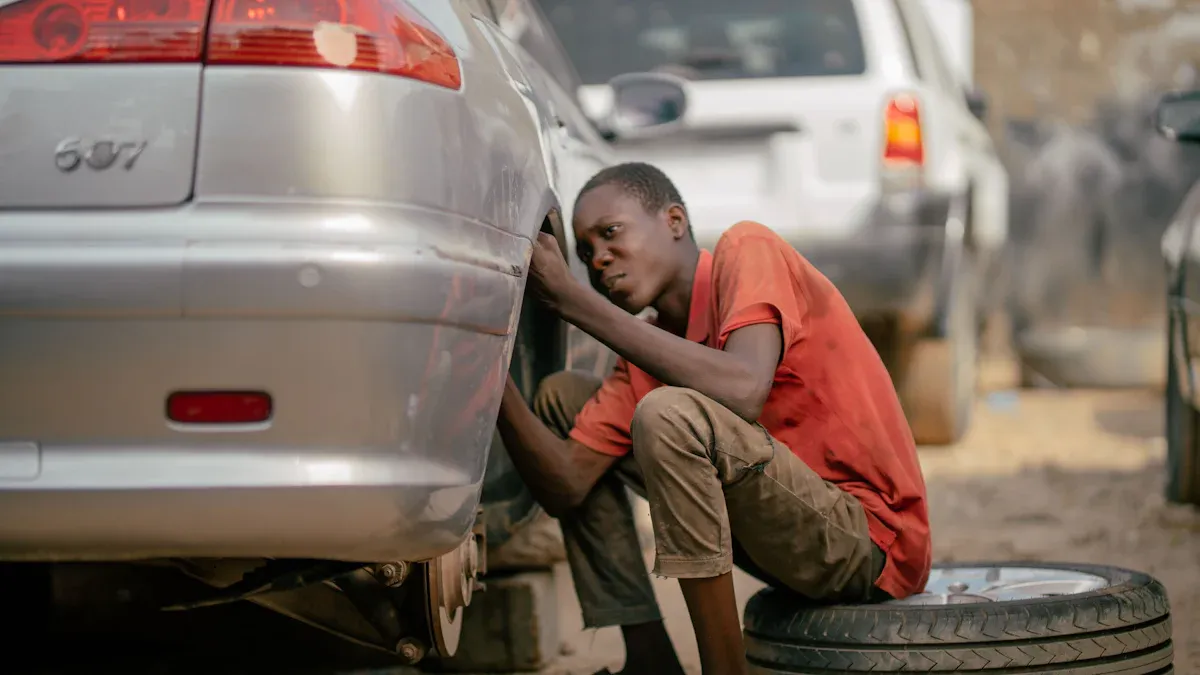
You probably know how frustrating a puncture can be. You drive over a nail or sharp debris, and suddenly your tire loses air. Punctures happen all the time. In fact, surveys show that there are 3 punctures every second. That means over 94 million flat tires each year! Take a look at these numbers:
| Problem | Statistic |
|---|---|
| Tire Punctures | 3 punctures per second |
| Daily Flat Tires | 259,200 flat tires per day |
| Annual Flat Tires | Over 94 million flat tires yearly |
| Likelihood of Puncture | 1 in 3 vehicles has a puncture |
| Roadside Emergencies | 27% are tire related |
Punctures can lead to sudden loss of pressure and make your car hard to control. You want a repair that lasts, and that’s where a vulcanizer comes in handy.
Sidewall damage is sneaky. You might not notice it until your tire bulges or cracks. This kind of damage often happens when you hit a pothole or scrape against a curb. Sometimes, cheap tires have defects that make sidewalls weaker. Here are some common causes:
| Cause | Description |
|---|---|
| Tire wear and age | Old tires lose strength and grip. |
| Tire defects | Low-quality tires may have weak spots. |
| Punctures and cuts | Sharp objects can slice the sidewall. |
| Potholes and bumps | Hitting obstacles can damage the sidewall. |
| Over/underinflation | Wrong pressure can cause blowouts and sidewall problems. |
If you spot a bulge or crack, get your tire checked right away.
Tread keeps you safe. It helps your car grip the road, especially in rain or snow. When tread wears down, your car takes longer to stop and can slide on wet roads. Studies show that tires with less than 4/32 of an inch of tread lose braking power and traction. Here’s what happens:
Worn tires increase braking distance.
Low tread means less grip, especially in bad weather.
You risk hydroplaning and losing control.
You should check your tread often. If it’s low, consider a vulcanizer repair or a new tire.
Slow leaks are tricky. You might not notice them until your tire looks flat. Most air pressure losses—about 85%—come from slow leaks. Only 15% happen quickly from big hazards. Slow leaks can come from tiny punctures, bad valve stems, or even old rubber. If your tire keeps losing air, get it checked before you end up stranded.
Tip: Regularly check your tire pressure. Catching slow leaks early can save you from bigger problems.
You might hear "vulcanizer" at a tire shop and not know what it is. A vulcanizer is a machine that helps fix tires. It uses heat and pressure to repair cracks and punctures. It also fixes weak spots in the tire. When your tire has a problem, the vulcanizer makes the rubber stronger. This helps your tire last longer.
Here’s what a vulcanizer does for your tire:
Repairs damage like cracks or punctures.
Bonds new rubber to the old tire with heat and pressure.
Makes your tire tougher and more reliable.
If you want a strong repair, ask your mechanic about using a vulcanizer.
You might wonder how vulcanization works. It is not magic, but it makes your tire stronger. The process starts by mixing raw rubber with sulfur and other chemicals. These ingredients help the rubber change and become tougher.
Let’s break down the steps:
Mixing: The mechanic mixes raw rubber with sulfur and additives. This starts a chemical reaction.
Heating: The vulcanizer heats the rubber to a high temperature. The heat helps the sulfur bond with the rubber. This makes the rubber stronger and more flexible.
Cooling: After heating, the tire cools down. The rubber becomes solid and elastic. Now it is ready for the road.
Modern vulcanizer machines use electric heating instead of steam. Sensors check the temperature inside the mold and plates. A control unit watches these readings and changes the heaters to keep things just right. This means your tire gets a good repair every time.
Today’s vulcanizers have cool features:
Automated temperature control with sensors and programmable settings.
Adjustable speed for different types of rubber.
Robotic loading and unloading for faster repairs.
Gradual, even heating of the mold surfaces for better results.
When you choose a vulcanizer repair, your tire resists wear, damage, and leaks. You can drive with confidence, knowing your tire is ready for the road.
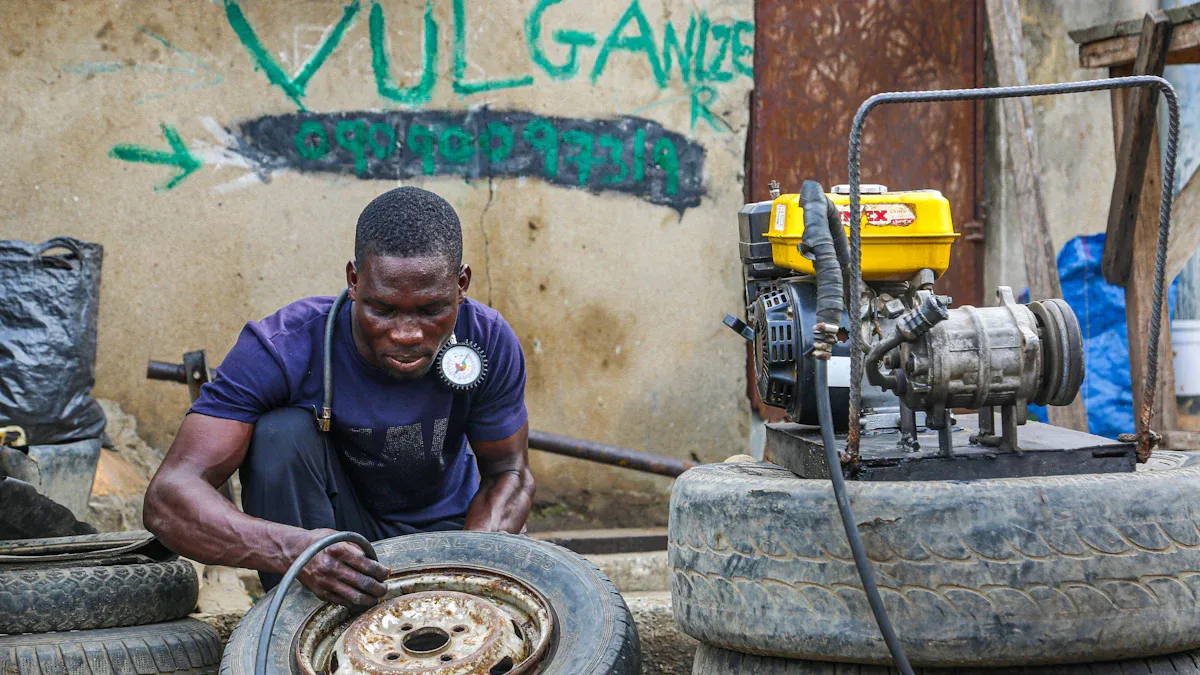
Sometimes your mechanic will mention hot vulcanization. This way uses heat and pressure to stick new rubber to your tire. The vulcanizer machine warms up the damaged spot. Then it pushes a patch or new rubber onto the tire. This makes a strong fix that can handle hard work.
Hot vulcanization is best for big cuts or wounds on the tread or upper sidewall. If you drive a tractor or use heavy-duty tires, this method gives you the strength you need. When the damage is large, hot repairs last longer than cold ones.
Tip: If your tire has a deep cut or big hole, ask for hot vulcanization. You want your tire to stay strong on rough roads.
Cold vulcanization does not use heat. Instead, special glue and patches fix the tire. The process takes longer because the glue needs to dry. You might have to wait hours or even a whole day for the repair to finish.
Cold vulcanization works well for small holes and light tires. If you need a quick fix and the damage is small, this method saves money. You do not need fancy tools, so it costs less.
Here is a quick look at how hot and cold vulcanization are different:
| Feature | Hot Vulcanization | Cold Vulcanization |
|---|---|---|
| Bonding Strength | Stronger bonds due to heat and pressure | Adequate for lower-stress applications |
| Application Scenarios | Ideal for new belts and heavy-duty use | Best for quick repairs and lightweight use |
| Time Efficiency | Completed in minutes | Takes hours or days for optimal adhesion |
| Cost Considerations | More expensive due to specialized equipment | Generally more cost-effective for repairs |
You want your tire repair to last a long time. Picking the right way depends on the damage, the tire type, and how fast you need the fix. Let’s break it down:
Cold vulcanization works for small holes.
Hot vulcanization is better for sidewall or shoulder damage.
Cold vulcanization may not be safe for high-speed tires or if radial threads are hurt.
Both methods can last for the life of the tire if done right.
Here is a table to help you choose:
| Factor | Cold Vulcanization | Hot Vulcanization |
|---|---|---|
| Type of Damage | Good for most holes, except for shoulder or sidewall damage. | Can be used on sidewall and shoulder, but depends on how bad the damage is. |
| Location of Damage | Not for high-speed tires or if radial threads are damaged. | Needs a pro to check; only small corner holes or spike holes allowed. |
| Required Durability | Should last for the life of the tire if fixed right. | If checked correctly, should last for the life of the tire. |
| Repair Time | Usually faster than hot vulcanization. | Takes about 45 minutes to finish the repair. |
Note: Always ask your tire expert which method is best for you. A good vulcanizer repair keeps you safe and saves you money.
Vulcanizer repairs give you good value for your tires. You save money because you do not need a new tire. This repair also helps the planet by cutting down on tire waste. Here are some benefits:
| Advantage | Description |
|---|---|
| More economical price | Vulcanization costs less than buying new tires. Production costs are lower. |
| Reduces tire waste | Reusing tires means less trash and helps the environment. |
You can drive more miles and worry less about flats. Vulcanizer repairs make your tire stronger and safer every day.
Tip: Want to save money and help the earth? Ask your mechanic about vulcanizer repairs.
Some tire problems are too bad for a vulcanizer to fix. If your tire has a big hole or bent bead wires, you need a new tire. Here are some things vulcanizer repairs cannot fix:
| Type of Damage | Repairable? |
|---|---|
| Damaged or deformed bead and bead wires | No |
| Punctures larger than .25 inches | No |
| Damaged sidewall or shoulder | No |
| Worn rubber | No |
Flat rolling damage cannot be fixed, even with new repair systems.
Always ask your tire expert if your tire can be repaired. Sometimes, you must get a new tire.
If vulcanizer repairs do not work, you have other choices. Some fixes cost less, but they may not last as long. Here is a quick look:
| Repair Method | Description | Durability Comparison to Vulcanizer Repairs | Cost Comparison |
|---|---|---|---|
| Tire Plugs | A leather piece with rubber goes into the hole. | Not as strong as vulcanizer repairs | Cheapest |
| Tire Patches | A sticky rubber patch is put inside the tire. | Stronger than plugs, weaker than vulcanizer | Costs more |
| Tire Plug-Patch Combination | Uses both plug and patch for a better fix. | Same as patches, weaker than vulcanizer | More than plugs |
Retreading is another way to fix tires. It helps the planet even more than vulcanizing. Retreading cuts down on waste and pollution. Ask about retreading if you want to be more eco-friendly.
You want your tire fixed right the first time. Picking a good repair shop makes all the difference. Start by asking friends or neighbors who drive similar vehicles. They often know which shops do solid work. Check customer reviews on sites like Yelp or Trustpilot. These reviews show if people felt happy with their repairs.
Look for certifications from groups like the National Institute for Automotive Service Excellence (ASE). Certified shops usually have skilled workers. Shops that have been open for many years often have a strong reputation. You can also judge a shop by how they treat you. Good customer service means they answer your questions and offer help after the repair.
Ask for recommendations from people you trust.
Read online reviews to see what others say.
Look for ASE or other certifications.
Notice how long the shop has been in business.
Pay attention to follow-up support and communication.
Before you agree to any repair, ask a few key questions. These help you understand if the shop knows what they are doing and if your tire is safe to fix.
Should this tire be replaced?
Has an experienced professional inspected the tire?
Do you understand the vulcanizing compound and how it works?
Tip: If the shop cannot answer these questions clearly, you might want to look elsewhere.
Once your tire gets repaired, you need to keep it in good shape. Check your tire pressure every week. Watch for new leaks or damage. If you notice anything strange, go back to the shop. Many shops send reminders for follow-up checks. Take advantage of these services.
Inspect your tires for cracks or bulges.
Keep your tires inflated to the right pressure.
Schedule regular check-ups, especially after a vulcanizer repair.
A little care goes a long way. You get more miles and fewer problems.
You want your tire to stay fixed and keep you safe. Vulcanizer repairs are special because they make your tire strong again. They also help stop problems from coming back. That’s why many drivers pick this method.
Vulcanizer patches last longer than plugs. They cover all the damaged parts.
Vulcanization makes your tire tough and keeps out water. It works in any weather.
Experts say using both a patch and a plug is best for tread punctures.
A tire plug by itself might not work well. It can fail and make driving unsafe. A patch with vulcanization gives you a safe and lasting fix.
| Benefit | Why It Matters |
|---|---|
| Professional expertise | Makes sure your tire is safe to drive |
| Stronger repairs | Helps your tire last longer and work better |
| Follows safety standards | Lowers the chance of accidents |
Pick a shop you trust that uses a vulcanizer. This way, your repair will last.
You usually wait about 45 minutes for a hot vulcanizer repair. Cold vulcanizer repairs can take a few hours. The shop will tell you the exact time when you drop off your tire.
You can use vulcanizer repair on most tires. If your tire has a big hole or damaged sidewall, you need a new tire. Always ask your mechanic if your tire is safe to fix.
Your tire can last just as long if the repair is done right. Vulcanizer repairs make the rubber strong again. You should check your tire often to catch any new problems.
You pay less for vulcanizer repair than for a new tire. Prices change based on the damage and your location. Most shops give free quotes, so ask before you decide.
