
English 
P: +86-13851913099
E: sunnyqing@vip.163.com
E: sunnyqing@vip.163.com
NO.2, BAOTA ROAD,CHUNXI TOWN, GAOCHUN DISTRICT , NANJING, CHINA
Views: 0 Author: Site Editor Publish Time: 2025-09-06 Origin: Site


Routine maintenance is the most cost-effective approach to keeping rubber production lines running smoothly. For companies relying on high-performance rubber machinery, even minor breakdowns can lead to significant delays and financial losses. At Nanjing Kaishi Industry and Trade Co., Ltd, we specialize in vacuum plate vulcanizing machines, rubber injection molding machines, and compression presses. This article provides a comprehensive maintenance checklist tailored for rubber machines, helping operations managers, technicians, and operators minimize downtime, reduce repair costs, and extend the life of their equipment.
Daily maintenance is the first line of defense against major equipment failures. Operators should perform short but essential checks at the start and end of each shift.
Monitoring hydraulic oil and coolant levels daily ensures smooth operation and prevents overheating or hydraulic failure. Operators should also inspect hoses, seals, and fittings for visible leaks, which are often early signs of wear or damage. Prompt detection can save costly repairs. Additionally, noting the oil color and viscosity can help identify contamination early, allowing technicians to schedule oil changes before serious system issues occur.
The platen of a vulcanizing press must remain clean and free of debris. Rubber residues, dust, or foreign objects can affect part quality and accelerate wear. Wiping down platens and checking for scratches or dents should be part of daily routine checks. Applying a thin layer of anti-stick spray or mold release agent can prevent rubber from sticking and reduce cleaning time between cycles.
Before production starts, running a short functional cycle ensures that basic machine operations, such as clamping, heating, and ejecting, work correctly. Any unusual noises, vibrations, or slow response should be reported to the maintenance team immediately. Documenting these observations in a simple log helps identify recurring issues over time.
Technicians handle more detailed inspections that prevent wear and maintain efficiency, complementing operator-level checks.
Accurate sensor readings are critical for precise rubber molding. Technicians should calibrate temperature, pressure, and position sensors weekly or monthly, depending on usage intensity. Misaligned sensors can lead to inconsistent product quality, wasted material, and additional rework. Using calibration tools recommended by machine manufacturers ensures readings remain accurate and within tolerance.
Heater bands and drive belts wear over time. Regularly checking their condition and ensuring proper tension can prevent production delays. Loose belts reduce efficiency, while damaged heater bands can cause uneven vulcanization, leading to defective parts. Keeping spare belts and heater bands on hand ensures rapid replacement if any signs of wear appear.
Weekly inspections should include examining wiring, connectors, mechanical joints, and lubrication points. Any signs of corrosion, loose bolts, frayed cables, or dry bearings must be addressed promptly to maintain safety and reliability. Routine lubrication of moving parts reduces friction, prevents overheating, and extends component lifespan.
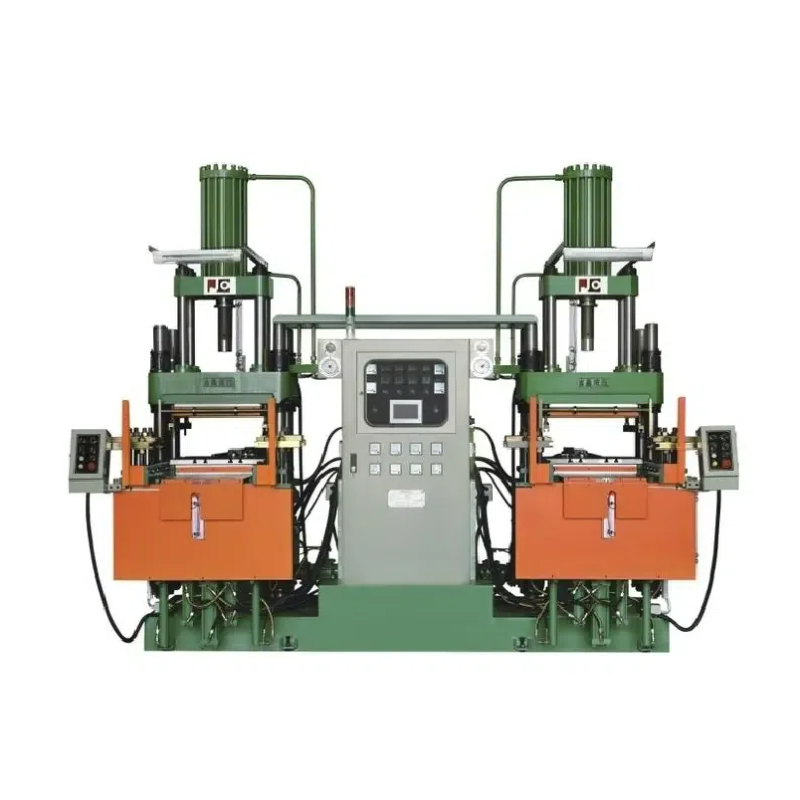
Preventive maintenance (PM) on a quarterly or annual basis tackles more complex components and ensures long-term reliability of rubber machines.
Quarterly or annual service should include flushing the hydraulic system, replacing filters, checking pump performance, and examining relief valves. Clean, properly lubricated hydraulics reduce the risk of system failure, maintain consistent machine speed and force, and extend the life of expensive components like cylinders and pumps.
Dust and debris in electrical cabinets can cause shorts, overheating, and intermittent faults. Annual cleaning and inspection of circuit breakers, relays, and PLC units prevent electrical issues, maintain operational safety, and extend component life. Consider installing cabinet filters or positive pressure systems in dusty environments to reduce maintenance frequency.
Programmable logic controllers (PLCs) control most modern rubber machines. Technicians should back up configurations, check for firmware updates, and verify I/O functions to avoid data loss and ensure smooth operation after system resets or power interruptions. Maintaining a historical log of PLC settings can simplify troubleshooting if machine behavior changes over time.
Strategic spare parts planning reduces downtime when failures occur and ensures production continuity without overstocking.
Identify high-failure components, such as hydraulic seals, heater bands, sensors, fuses, and belts, and maintain a stock of these items. This list should be periodically reviewed based on actual usage, failure history, and supplier lead times to avoid production delays.
Establish relationships with reliable suppliers to shorten lead times for critical parts. Consolidate orders or work with local distributors to reduce waiting times. Keeping a digital inventory and automated reorder alerts can prevent shortages before they impact production.
Consider whether to source original equipment manufacturer (OEM) parts or compatible local alternatives. OEM parts guarantee quality and fit, while local alternatives may offer faster availability and cost savings. Testing local parts on non-critical machines first can ensure they meet performance requirements.
Predictive maintenance leverages machine data to anticipate failures before they occur, optimizing uptime and reducing emergency repairs.
Key metrics include vibration levels, cycle time drift, temperature trends, hydraulic pressure fluctuations, and motor amperage. Monitoring these indicators over time helps identify abnormal patterns that may signal impending failures. Integrating simple sensors or IoT devices can automate data collection and alert maintenance staff to early warning signs.
Establish simple KPIs for monitoring machine health, such as average cycle time variance, daily energy consumption, or frequency of minor faults. Analyzing trends over weeks or months helps maintenance teams prioritize interventions and improve overall operational efficiency.
Consistent maintenance results from well-trained staff and clear, accessible procedures.
A standardized checklist for shift handovers ensures that critical issues are communicated between operators and technicians. This reduces overlooked problems and maintains continuity in maintenance practices. Including photographic evidence or brief notes can further improve handover clarity.
Digital SOPs, accessible on tablets or computers, provide step-by-step instructions for daily, weekly, and quarterly tasks. Additionally, training sessions from equipment vendors, including Nanjing Kaishi Industry and Trade Co., Ltd, can update staff on best practices, machine-specific guidance, and new maintenance techniques, ensuring long-term operational reliability.
Proper maintenance of a rubber machine is essential for maximizing production efficiency, reducing downtime, and extending equipment lifespan. Implementing daily, weekly, monthly, and annual checks, maintaining organized spare parts, leveraging predictive maintenance, and ensuring consistent training helps safeguard investments and improve product quality. At Nanjing Kaishi Industry and Trade Co., Ltd, our rubber machines, including vacuum plate vulcanizing machines and rubber injection molding machines, are designed for durability, efficiency, and ease of maintenance. For tailored guidance or maintenance solutions, contact us today to keep your rubber production running smoothly and reliably.
