
English 
P: +86-13851913099
E: sunnyqing@vip.163.com
E: sunnyqing@vip.163.com
NO.2, BAOTA ROAD,CHUNXI TOWN, GAOCHUN DISTRICT , NANJING, CHINA
Views: 0 Author: Site Editor Publish Time: 2025-09-12 Origin: Site


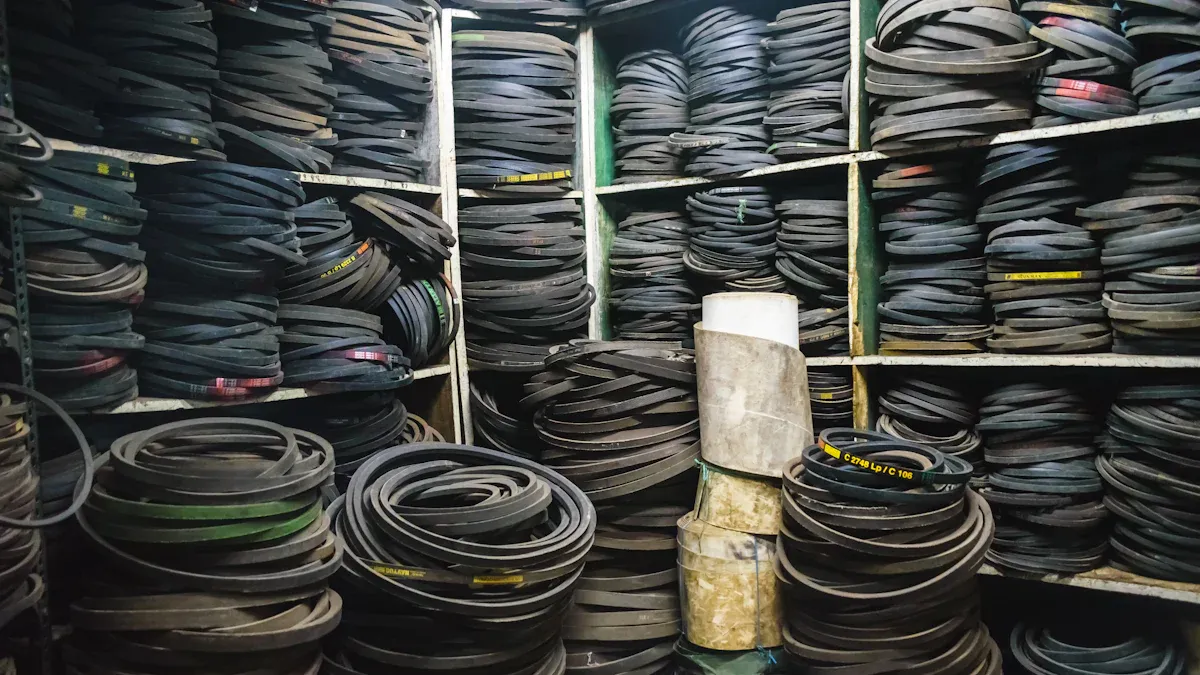
You create vulcanized rubber by heating natural rubber with sulfur, which changes its structure and makes it much stronger. The process, called vulcanization, allows people to use vulcanized rubber for many important applications. Charles Goodyear discovered this method in the 1800s when he mixed rubber with sulfur and applied heat. The resulting vulcanized rubber did not become sticky or break easily. Today, factories produce millions of tonnes of vulcanized rubber each year, with Asia leading global production. Vulcanized rubber is found in tires, shoes, and sports gear that you use every day.
Vulcanized rubber is made by heating natural rubber with sulfur. This step makes the rubber stronger and tougher.
Charles Goodyear found out about vulcanization in 1839. His way helped rubber stand up to heat and not get sticky.
Vulcanized rubber is used in things like tires, shoes, and medical gloves. It lasts longer and can handle heat and chemicals better than natural rubber.
The vulcanization process needs careful mixing, shaping, and watching temperature and pressure. Each step is important for making good rubber.
Different ways, like pressure tanks and microwave curing, can vulcanize rubber. Each way has its own good points and is picked for what the product needs.
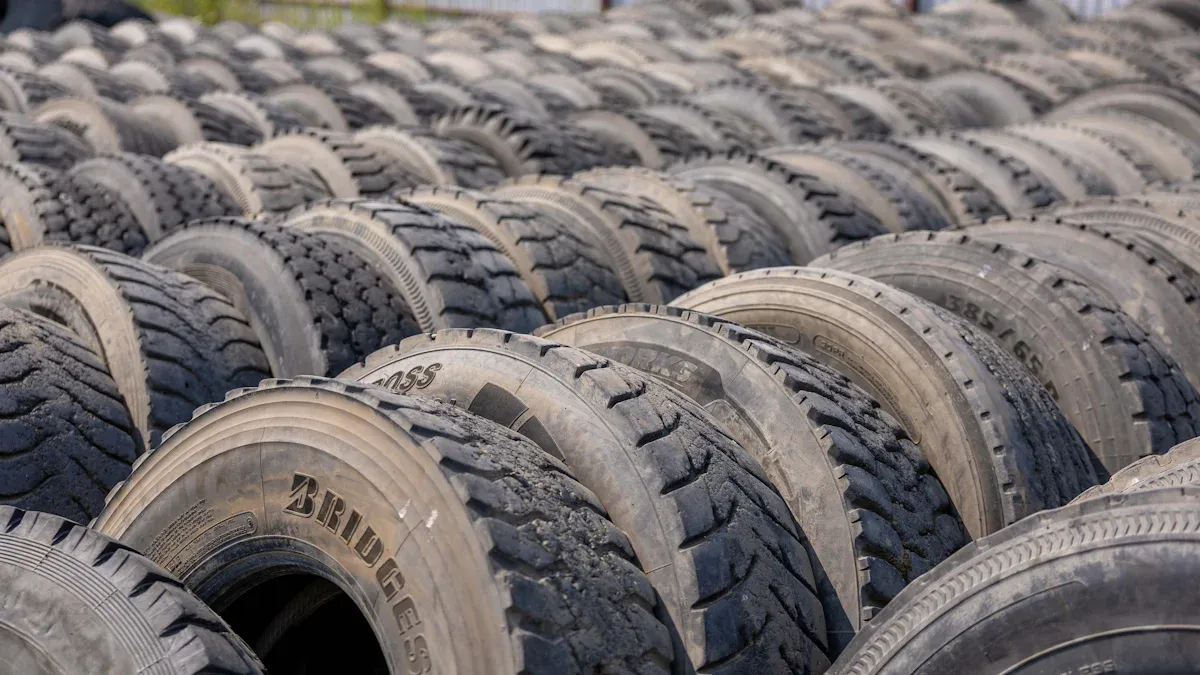
Vulcanized rubber is a type of rubber that has changed. This change happens through a process called vulcanization. In vulcanization, people add sulfur or other things to natural rubber. Then, they heat the rubber. This makes strong bonds between the rubber molecules.
Vulcanization creates a network inside the rubber.
This network helps the rubber stretch and snap back.
Vulcanized rubber returns to its shape after you pull it.
The process also stops the rubber from changing shape too much.
Charles Goodyear found vulcanization in 1839. He mixed sulfur with rubber and heated it by mistake. This was a big discovery. Before this, rubber got sticky when hot and broke when cold. Goodyear’s way made rubber tough and able to handle heat. Factories could use rubber for many new things.
Here are some important events in vulcanized rubber history:
| Year | Milestone Description |
|---|---|
| 1839 | Charles Goodyear finds vulcanization by mixing sulfur with rubber and heating it. |
| 1940 | Resin and quinone oxime vulcanization methods start. |
| 1943 | Sulfur-giving body vulcanization is found. |
| 1950s | Radiation vulcanization systems are made. |
| 1970s | Urethane vulcanization systems begin. |
| 1980s | Balanced vulcanization systems are suggested. |
Goodyear’s idea made rubber strong for factories. It also helped make products that last longer and handle heat.
Vulcanized rubber is better than natural rubber in many ways.
Vulcanized rubber is stronger, more bendy, and stands up to heat and chemicals.
| Property | Natural Rubber | Vulcanized Rubber |
|---|---|---|
| Durability | Wears out easily | Very strong and lasts long |
| Heat Resistance | Breaks down in heat | Handles heat well, stays stable |
| Chemical Resistance | Not good with chemicals | Great with oils and solvents |
| Elasticity | Not very stretchy | Stretches more and bends easily |
| Lifespan | Does not last long | Lasts longer, resists sun and air |
You see vulcanized rubber in many places. Some common uses are:
Tires, belts, and hoses in cars and trucks.
Gaskets and seals in machines.
Shoe bottoms and sports gear.
Medical gloves and tubes.
Roof and waterproof things.
Covering for wires and cables.
Seals for boats and planes.
Home items like mats and toys.
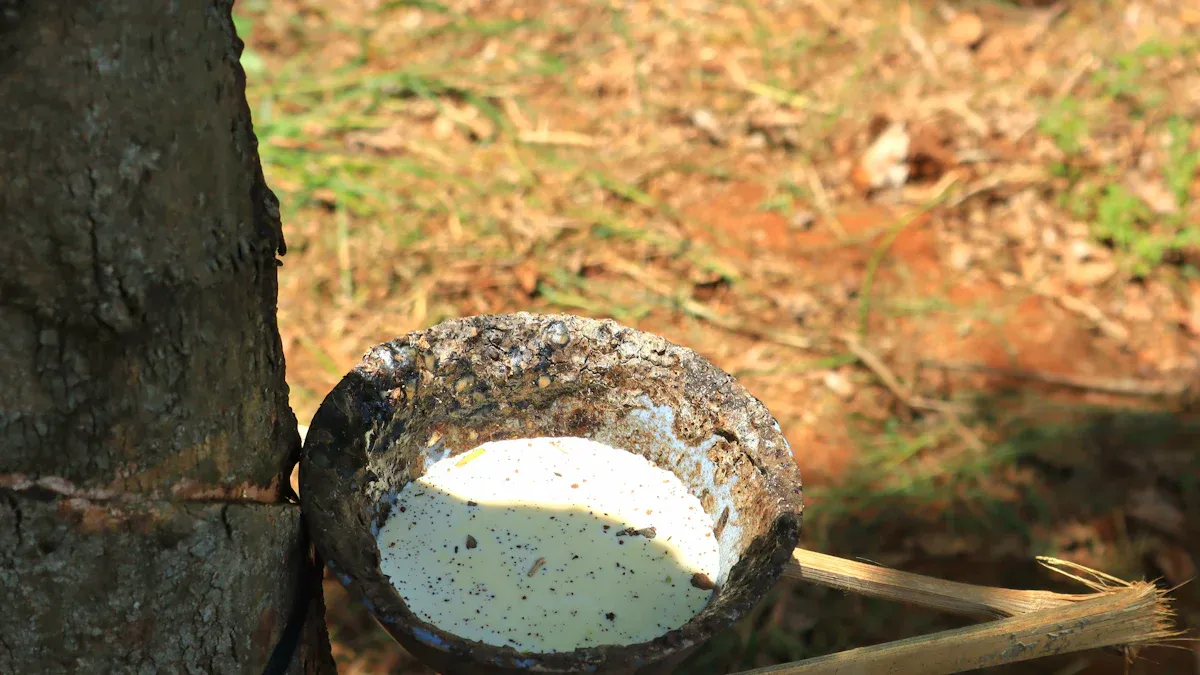
You start the vulcanization process by choosing the right raw materials. The type of rubber you select affects the final product’s strength, flexibility, and resistance to chemicals. Many factories use both natural and synthetic rubbers. Here are some of the most common materials you might find in the mix:
Aflas
Fluoroelastomer
FKM (Viton)
Neoprene
Nitrile
Silicone
Each material brings its own special qualities. For example, silicone stands up well to heat, while nitrile resists oils. You pick the material based on what you want the rubber to do.
After you choose your raw materials, you need to mix them with other ingredients. This step is important because it makes sure the rubber will cure properly and have the right properties. You follow a set of steps to get the best results:
Mastication: You break down the rubber to make it softer and easier to work with. This step helps the rubber mix well with other chemicals.
Masterbatching: You blend the rubber with fillers and additives. This step spreads the chemicals evenly and controls how thick or thin the rubber will be.
Finish Mixing: You add the curing agents, like sulfur, at the end. You must watch the time and temperature so the rubber does not start to cure too soon.
Tip: Careful mixing helps you avoid weak spots and makes the rubber last longer.
Once you finish mixing, you shape the rubber into the form you need. You can use several methods to do this. Manufacturers often use molding to create custom shapes and sizes. You might also use calendering, which presses the rubber through heated rollers. This method makes flat sheets or coats fabrics with rubber.
Molding lets you create parts like seals, gaskets, or shoe soles.
Calendering gives you smooth, even sheets for things like conveyor belts or waterproof layers.
You choose the shaping method based on the product you want to make. Each technique helps you get the right look and performance from your rubber.
When you vulcanize rubber, you move through several steps. Each step changes how the rubber acts and feels. You need to know these steps to see why vulcanized rubber is so strong.
Scorch Stage: The rubber is still soft at first. Cross-linking has not started yet. You can shape and move the rubber easily.
Pre-sulfur Phase: Cross-linking begins in this step. The rubber starts to change. It does not have its final strength or flexibility yet.
Sulfur Phase: This is when most vulcanization happens. The right amount of cross-linking forms. The rubber gets its best qualities now. This is the most important step.
Over-sulfur Phase: If you keep going, too many cross-links form. The rubber can lose strength and become brittle.
Tip: Stop the process at the sulfur phase for the best results. If you go too far, the rubber will not work well.
You must watch each step closely. This helps you make sure the vulcanized rubber is strong, stretchy, and lasts a long time.
During vulcanization, a special chemical reaction happens. Sulfur atoms link the rubber molecules together. These links are called sulfur bridges or cross-links. They give vulcanized rubber its special properties.
| Chemical Reaction | Compounds Formed |
|---|---|
| Formation of sulfur crosslinks | Sulfur bridges connecting rubber chains |
| Replacement of C-H bonds with sulfur chains | Enhanced physical properties of rubber |
| Exothermic reaction during vulcanization | Heat released during the process |
The process changes how the molecules connect. Sulfur bridges make the rubber stronger and more stretchy. When sulfur replaces some hydrogen bonds, the rubber resists heat and chemicals better.
The vulcanizing process also gives off heat. Scientists call this an exothermic reaction. For every mole of sulfur used, energy is released. The activation energy for the reaction is about 49 kJ/mol. You need to add enough heat to start the reaction. Once it starts, it keeps going by itself.
| Parameter | Value |
|---|---|
| Vulcanization enthalpy (per rubber compound) | -18.4 kJ/mol S |
| Vulcanization enthalpy (per NR) | -46.0 kJ/mol S |
| Activation energy | 49 kJ/mol |
You must control the chemical reaction carefully. Too much sulfur or heat makes the rubber hard and easy to crack. Not enough makes the rubber weak and sticky.
You need the right temperature and pressure to make good vulcanized rubber. The process depends on these two things. If you do not control them, the rubber will not turn out right.
Temperature is very important for the rubber’s structure.
You need a certain temperature range for cross-linking.
If the temperature is too low or high, the rubber will be poor quality.
Follow these steps to control heating:
Watch the temperature closely during vulcanization.
Keep the temperature in the best range for cross-linking.
Change the heating if you need to keep the right temperature.
Pressure is also important. Different products need different pressure levels. For example, you use 10–15 MPa for industrial belts. You use 3–8 MPa for seals or gaskets.
| Rubber Type | Pressure Range (MPa) |
|---|---|
| Industrial Belts | 10 – 15 |
| Seals or Gaskets | 3 – 8 |
The process relies on three things: pressure, temperature, and time. You must balance all three to get the best rubber. If you rush or skip a step, the product will not last or work well.
Note: Always check your equipment and settings before you start. Careful control makes strong, flexible, and reliable rubber.
Pressure tanks help make rubber strong and tough. These tanks use high heat and pressure. The rubber mixes with sulfur inside the tank. Cross-links form between the rubber molecules. This makes the rubber resist water, oil, and chemicals. Pressure tanks are good for making heavy-duty things. You use them for belts and seals. The tanks let you control heat and pressure. This gives you good results every time.
Tip: Pressure tanks make the process safer and faster for big batches.
Hot air ovens cure rubber with heated air. You put shaped rubber in the oven. Hot air moves around the rubber. This method works for thick or tricky parts. The rubber heats evenly and keeps its shape and strength.
Autoclaves look like giant pressure cookers. They cure rubber with heat and pressure. This makes the rubber stretchy and tough. You use autoclaves for tires, hoses, and gaskets. High pressure helps the rubber cure evenly.
Water curing uses hot water or steam. You dip rubber parts in water or steam. This lets you control the temperature well. Water curing is good for smooth-surfaced products.
The latex compounding method (LCM) mixes fillers into rubber. This makes the rubber stronger and more flexible. LCM is best for products that need to be smooth and exact.
Rotocure makes rubber sheets in a steady process. Uncured rubber goes onto a heated drum. The drum turns and heats the rubber. The rubber cures as it moves along. Then it cools and gets cut to size. Rotocure makes long, even sheets quickly.
Infrared ovens use special lamps to heat rubber. This method cures the surface fast and evenly. The surface looks smooth. Sometimes thick parts do not heat all the way through.
| Benefits | Limitations |
|---|---|
| Fast surface curing | May not heat thick parts evenly |
| Smooth surface finish | Needs other methods for deep cure |
Fluidized beds use hot air and tiny particles. You put rubber in the bed. Moving air heats the rubber from all sides. This cures the rubber evenly. It works well for small or odd-shaped parts.
Cold vulcanization cures rubber without heat. Special chemicals form cross-links in the rubber. This method is quick and does not need big machines. You use cold vulcanization for repairs and small joints.
| Advantages | Best Use Cases |
|---|---|
| No need for heat or ovens | On-site repairs, small products |
| Quick and easy | Joining belt ends |
High energy radiation, like electron beams, cures rubber. This makes strong and even cross-links. The rubber is tough and there is less waste. You use this method for tire parts and products that must keep their shape.
| Benefit | Description |
|---|---|
| Clean process | No extra chemicals needed |
| Fast curing | Short cycles, high productivity |
| Strong bonds | Very tough and stable rubber |
Microwave vulcanization heats rubber from the inside out. This cures rubber very fast and saves energy. It works well for production lines. Vulcanized rubber made this way is strong and resists heat.
You cut processing time by up to 40 times.
You get better quality and save energy.
Microwave heaters are smaller and work better than old ovens.
Note: Pick the best method for your product’s size, shape, and use. Each method helps you make vulcanized rubber with the right qualities.
You make vulcanized rubber by following a few steps. First, you pick the raw materials. Next, you mix and shape them. Then, you cure them with heat and pressure. This makes strong cross-links inside the rubber. These cross-links help the rubber stretch and last longer. Vulcanized rubber works better in tires, seals, and electrical parts. You find these benefits in cars, planes, and sports gear. As more people want these products, vulcanized rubber becomes even more useful. This helps the market grow and is worth billions every year.
Vulcanization makes rubber stronger and more bendy. This process helps rubber last longer. It also helps rubber stand up to heat, chemicals, and damage. Vulcanized rubber works better in tires, seals, and many things you use.
You need special tools and chemicals to vulcanize rubber. Most people cannot do this at home. Factories use careful heat and pressure for the best results.
Sulfur forms links between rubber molecules. These links make rubber tough and stretchy. The rubber does not melt or crack easily after this.
Vulcanized rubber is in tires, shoe bottoms, hoses, belts, sports gear, and medical things. Many companies use it because it lasts longer and does not get damaged easily.
You can use vulcanized rubber safely every day. Makers test it for strength and how long it lasts. It does not break down fast and works well in many things you use.
