
English 
P: +86-13851913099
E: sunnyqing@vip.163.com
E: sunnyqing@vip.163.com
NO.2, BAOTA ROAD,CHUNXI TOWN, GAOCHUN DISTRICT , NANJING, CHINA
Views: 0 Author: Site Editor Publish Time: 2025-09-09 Origin: Site


You might be surprised by how cool rubber injection molding is. First, this process moves fast—new tech can cut cycle times by up to 70%, so you get more parts in less time. Second, you can create super complex shapes with almost no waste, which saves money and materials. Finally, the market is booming, with values climbing toward $55.5 billion by 2032. You get speed, creativity, and huge demand—all in one process.
Rubber injection molding makes parts very fast. Thin parts can be made in 2 to 5 seconds. This helps companies fill big orders quickly.
The process uses machines and controls heat very well. This means every part looks the same and has few mistakes.
Rubber injection molding can make detailed shapes with little waste. This helps the environment and saves money and materials.
Many businesses use rubber injection molding. It is used in cars and healthcare for strong, bendy, and special parts.
Picking the best rubber, like liquid silicone rubber, helps parts work better in hard places. This is great for medical tools and car parts.
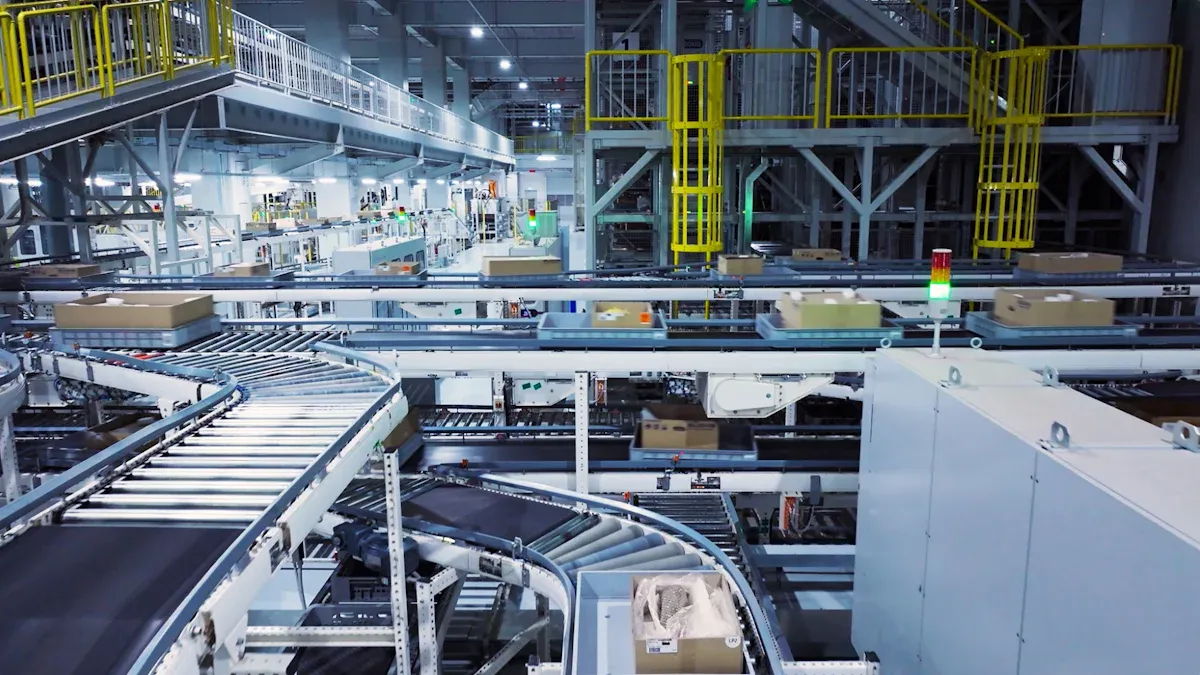
If you want to make rubber parts quickly, this process is great. The machine uses high pressure and heats the rubber before molding. This helps the rubber move fast into the mold and harden in seconds. Thin-walled parts can be made in just 2 to 5 seconds. Compression molding takes much longer, from 1 to 6 minutes. That is a big difference!
Rubber injection molding: 2–5 seconds per cycle for thin parts
Compression molding: 1–6 minutes per cycle
Manufacturers pick rubber injection molding for big jobs. You get more parts faster, so costs go down. If you need thousands or millions of pieces, this method works well.
Tip: Faster cycles help you fill orders quickly or react to changes.
Speed matters, but every part should be the same. Automation and careful controls help each piece match the others. You avoid problems like splay, sink marks, and contamination by watching moisture, temperature, and keeping machines clean.
Splay: Stopped by checking moisture and heat.
Sink marks: Reduced by even wall thickness and mold temperature.
Contamination: Prevented by cleaning machines often.
See how controls help:
| Aspect | Contribution to Consistency and Quality |
|---|---|
| Precision Temperature Control | Keeps the right heat for even parts. |
| Automation | Makes parts repeatable and lowers mistakes. |
Inspections during production catch problems early. New technology keeps quality high. You get good results every time. Rubber injection molding stands out because it is fast and accurate. Many industries use it for their products.
Making small, detailed rubber parts is not hard with rubber injection molding. You can make parts with thin walls and sharp corners. Tiny ribs are possible too. Some walls are only 0.040 inches thick but stay strong. Liquid silicone rubber fills every tiny space. You get clear details each time.
Did you know? Rubber injection molding makes medical seals, electronic housings, and rubber bumpers. These shapes are hard for other methods.
Look at how exact you can be:
| Feature Type | Minimum Size |
|---|---|
| Wall Thickness | 0.010 in. (0.254 mm) |
| Rib Thickness | 0.5–1.0 × wall thickness |
| Inside Fillet Radii | ≈ wall thickness |
You have options. You can use natural rubber or liquid silicone rubber. This lets you make soft, tough, or flexible parts. You pick what works for your project.
Waste is bad for money and the planet. Rubber injection molding uses just enough material. You do not get big leftover pieces or extra flash. This method skips wide sprues and overflow grooves.
Less waste means you save money.
The process helps the planet by making less scrap.
New machines use less energy and recycle leftover rubber.
Here is how the process helps the environment:
| Environmental Benefit | Description |
|---|---|
| Reduction of Waste Material | Less leftover rubber after each cycle |
| Energy Efficiency | Machines use less electricity |
| Fewer Chemical Emissions | Eco-friendly materials mean cleaner production |
If you want strong, detailed parts with little waste, rubber injection molding is a good choice.
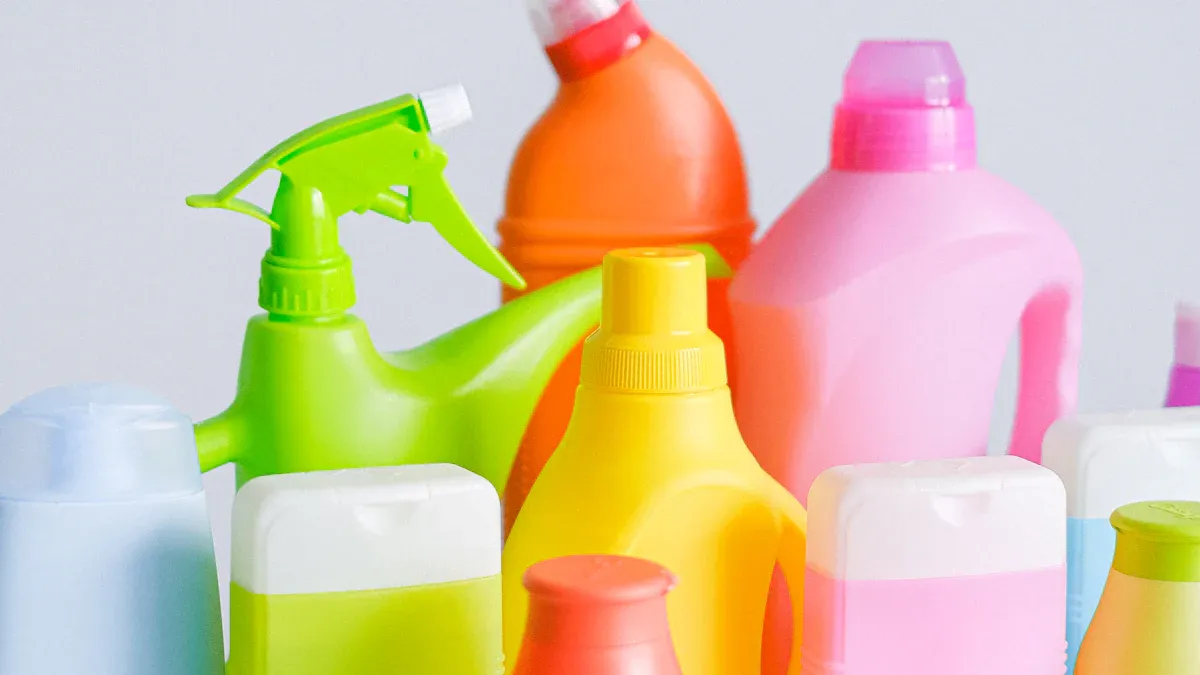
Many industries use rubber injection molding every day. This process makes rubber parts for cars, planes, hospitals, and electronics at home. Molded rubber products are everywhere. They are strong and flexible. They last a long time. You can make custom parts to fit what you need. You always get the right shape and size.
Here’s where you find these parts:
| Industry | Applications |
|---|---|
| Automotive | Seals, gaskets, hoses, automobile parts |
| Aerospace | Rubber components for aircraft |
| Healthcare | Seals, gaskets, O-rings, diaphragms |
Rubber injection molding is also used by the government and military. OEM products use it too. Car makers like it because it is fast and saves money. Medical device companies use it for safe and high-quality parts. Modern machines make more parts in less time. This helps save money and meet demand.
Tip: If you want strong and flexible parts, lsr injection molding is a great choice. It gives you tight fits and smooth surfaces. This is important for medical and electronics parts.
You can pick from many rubber materials. Each type has its own good points. Liquid silicone rubber is very flexible. It can handle heat, cold, and chemicals. Lsr injection molding makes small, detailed parts that are strong and safe. Liquid silicone rubber is good for medical devices. It is safe for people and not toxic.
Here’s a table to compare:
| Rubber Material | Key Properties | Applications |
|---|---|---|
| Natural Rubber | High elasticity, great abrasion resistance | Tires, gaskets, shock absorbers |
| Liquid Silicone Rubber | Heat resistance, chemical inertness, flexible, biocompatible | Medical devices, cookware, automotive seals |
| SBR | Good wear resistance, stable over time | Tires, mechanical goods |
| Nitrile | Oil and fuel resistance, strong | Fuel hoses, oil seals, O-rings |
| EPDM | Weather, ozone, and UV resistance | Weather stripping, roofing, insulators |
| Neoprene | Heat and flame resistance, chemical resistance | Wire sheaths, hoses, belts, gaskets |
Lsr injection molding gives you even more benefits. Liquid silicone rubber is good for high-voltage parts. It does not let electricity pass through. It meets fire safety rules. It stays strong in hot or cold places. Lsr injection molding helps you save money and makes parts last longer.
Liquid silicone rubber works well in tough places.
Lsr injection molding makes smooth, strong, and flexible parts.
You can use these materials for medical tools and car engines.
If you want to save money and get safe, strong parts, liquid silicone rubber and lsr injection molding are the best choices.
Rubber injection molding gives you speed, creativity, and real-world results. You get high-quality, precise parts in less time. You can make complex shapes that last in tough jobs. Many industries choose this process because it works so well:
Fast cycles mean you fill big orders quickly.
Every part matches, even for tricky designs.
The market keeps growing as more people want strong, custom rubber products.
Next time you see a perfect rubber part, remember—you might be looking at the power of injection molding!
Rubber injection molding makes rubber parts quickly. You heat rubber and push it into a mold. The mold shapes the rubber into what you need. This process gives you strong and detailed parts.
Yes! You can choose from many kinds of rubber. Natural rubber, liquid silicone rubber, nitrile, EPDM, and neoprene all work. Each type is good for different jobs.
You get parts faster and waste less material. Every part looks the same. You can make shapes that other methods cannot do. This process saves time and money.
Tip: Keep machines clean and control the heat. Automation helps every part match. Check parts during production to find mistakes early.
Automotive
Aerospace
Healthcare
Electronics
You find these parts in cars, planes, hospitals, and home gadgets!
